


What Is Parchment? A Comprehensive Guide
What is parchment?
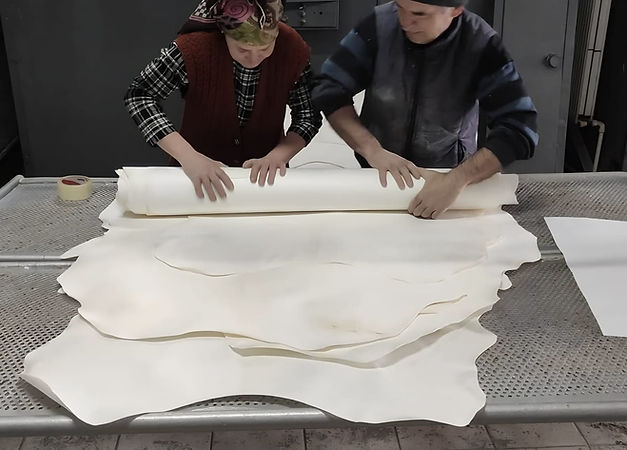
Parchment is a natural material made from animal hides, traditionally goat, sheep, or calfskin. Valued for its durability, texture, and translucency, parchment has been used for more than two thousand years for manuscripts, calligraphy, bookbinding, and painting. Unlike paper or synthetic materials, each parchment hide contains natural tonal variations, markings, and areas of differing translucency shaped by the structure of the skin itself.
Today, parchment is used not only in traditional artistic practices but also in contemporary interiors, where it can be found in wall panels, furniture surfaces, lighting, and bespoke decorative applications.
What causes marks and tonal variations on parchment?
Visual variations and tonal shifts are part of the natural character of parchment and make every hide unique. These markings result from the animal's pigment distribution, hair follicles, and variations in skin density across the hide. Subtle lines and textural changes may also reflect the path of surface veins or minor scars acquired during the animal's lifetime.
Are parchment and vellum the same?
Parchment and vellum are closely related materials, but they are not exactly the same. Traditionally, vellum referred specifically to parchment made from calfskin, while the term parchment was used more broadly for prepared animal skins, including goat and sheep hides. Today, however, the two terms are often used interchangeably.
Both parchment and vellum are valued for their durability and distinctive surface qualities. At KareDeri, we primarily produce goatskin parchment, which is known for its tonal variation, texture, and natural character. For larger orders, we can also produce sheepskin and calfskin parchment on request.
What is the difference between parchment and leather?
Although both originate from animal hides, the difference lies in how they are processed.
Leather undergoes a tanning process that preserves the hide while keeping it soft and flexible. Parchment, by contrast, is produced by scraping, stretching, and air-drying the hide under tension on a frame. This process changes the structure of the skin, giving parchment its characteristic firmness, translucency, and smooth surface.
While leather production involves chemical changes through tanning, parchment production is primarily a physical process that relies on tension and drying.
Is KareDeri parchment made from real animal hides?
Yes. KareDeri parchment is mainly made from goatskin and is authentic parchment. It is a natural material with unique markings, fibres, and tonal variations that differ from hide to hide. It should not be confused with imitation parchment or wood-pulp "parchment paper".
How thick is goatskin parchment?
As a natural material, parchment varies in thickness across each hide. The spine area is generally thicker and firmer, while the flanks and belly are thinner and more translucent. At KareDeri, our natural parchment typically measures between 0.3 and 0.4 mm in thickness. Dyed parchment is generally produced at a thickness of 0.4 to 0.5 mm.
Can real parchment be written on, painted or printed?
Yes. Historically, parchment was used for manuscripts, calligraphy, official documents, and illuminated works. It is suitable for a range of artistic media, including ink, gouache, oil, watercolor, and gold leaf. Because parchment is a natural hide rather than a paper-based surface, it behaves differently and may require adjustments in technique.
Parchment can also be printed using an inkjet printer. Laser printers are not recommended, as the heat generated during printing will distort the material. For more information, see our guide on using parchment for art and craft applications.
Can parchment be used for custom furniture, wall panels and cabinetry?
Yes. Parchment has long been used as a decorative surface for furniture, cabinetry, and interior panels. It became particularly associated with Art Deco furniture, where it was often used as an alternative to wood veneer.
Because parchment is a natural material, applying it to furniture requires specialist knowledge and careful craftsmanship. For more information, see our guide on using parchment for wall panels and furniture.
Can I make lampshades from parchment?
Yes. Parchment is well suited to lampshades and lighting applications because it is translucent rather than transparent. When illuminated, parchment diffuses light and creates a soft, warm effect. Lighter natural parchments generally allow more light to pass through than darker shades.
How is dyed parchment produced?
Dyed parchment is produced by introducing color during the parchment-making process before the hides are stretched and dried. This allows the color to become part of the material while preserving the natural characteristics of the parchment. Compared with natural parchment, dyed parchment is generally less translucent.
Why is parchment considered a luxury material?
Parchment is considered a luxury material largely because of its rarity, the skill required to produce it, and the specialized ways in which it is used today. Unlike paper, synthetic surfaces, or industrial veneers, parchment is made from natural animal hide and undergoes a labour-intensive process of preparation, stretching, and drying. Production is relatively limited, and each hide develops its own unique variations in tone, texture, markings, and translucency.
In contemporary interiors, parchment is often used for bespoke furniture, cabinetry, wall panels, and lighting. Applying parchment to these surfaces requires considerable craftsmanship, making it a material more commonly associated with custom-made work than mass production. Its long history, distinctive appearance, and natural individuality have contributed to its reputation as a premium material in both decorative arts and interior design.